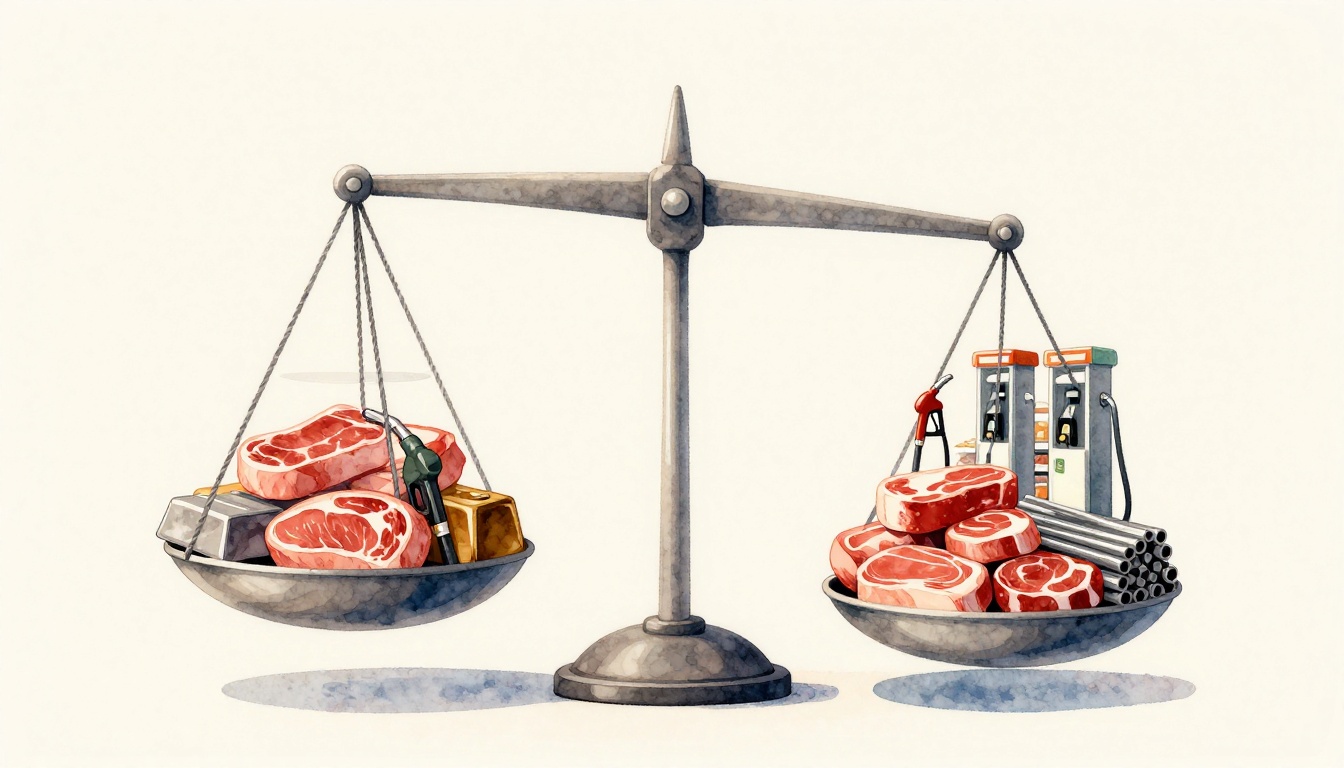
Why did gas jump so fast last month, then calm down in other weeks? In simple terms, pricing follows balance. When many people want something but there is not enough to go around, prices rise. When there’s extra supply, sellers cut prices to move it.
You see this in groceries, energy, and even tech parts. In 2025 to 2026, beef prices climbed as cattle numbers shrank. Oil prices spiked when conflict disrupted supply routes, then fell as the market expected an oversupply. Metals faced their own swings too, since some supply lines tighten while others loosen.
So here’s the thesis that ties it all together: shortages usually push prices up through competition, while surpluses usually pull prices down by flooding markets. And once you know the pattern, you can make smarter buying or pricing decisions when headlines hit.
Why Shortages Send Prices Soaring
A shortage is like a line at the door when only a few tickets exist. Many buyers still want the same thing. Yet supply is smaller than demand.
When that happens, sellers don’t just cover costs. They also “ration” the limited supply using higher prices. Buyers feel it fast. You might choose a smaller package, delay a purchase, or switch brands.
Two simple ideas explain the jump:
- Scarcity value: When something feels rare, people pay more to get it now.
- Bidding pressure: If everyone is shopping at once, the “winner” pays the higher price.
From there, prices can spread to other items. For example, higher input costs can raise food or transport costs. When factories struggle to get materials, costs move through the supply chain.
Here are a few real 2025 to 2026 examples that match this pattern:
- Beef and cattle supply: The U.S. cattle herd shrank to 86.2 million head in early 2026, the lowest since 1951. That tight supply helped push beef prices higher. For broader context on the “beef squeeze,” see U.S. herd shrinks, prices rise.
- Oil and gas: Middle East conflict disrupted supply. Reuters reported the war created the largest oil supply disruption ever, and U.S. pump prices jumped toward $4 a gallon.
- Some tech metals: Tight supply in specific materials can swing prices hard. Tungsten, for instance, faced shortages and price spikes tied to China policy and export limits.
In short, shortages hurt consumers first, then push producers to expand output. It’s painful now, but it also sends a clear “make more” signal.

Classic Shortage Mechanics in Action
Think about a lemonade stand. On a hot day, kids rush in. Yet the seller only has a few lemons.
At first, kids still want lemonade. But the number of glasses available is small. So the seller raises the price.
Now fewer kids buy. That sounds bad, but it’s how the market “spreads out” the limited supply. The higher price also signals something else: maybe the seller should make more lemonade next time.
In a real market, the same thing happens. Demand stays strong, while supply shifts left. Prices jump until demand matches what’s available.
Here’s a simple way to picture it without charts. Imagine two crowds:
- One crowd wants the product right now.
- The other crowd controls how much gets sold.
When the second crowd shrinks, the first crowd competes more. Prices rise because buyers need a way to stand out.

Fresh 2025-2026 Shortage Hits on Beef, Oil, and Tech Parts
Shortages don’t always come from one cause. Sometimes it’s weather. Sometimes it’s war. Sometimes it’s policy plus demand.
Beef (cattle shortage)
In early 2026, the U.S. cattle herd is at a multi-decade low. Droughts during 2020 to 2025 pushed ranchers to sell cows they couldn’t feed. Beef cow numbers also dropped to their lowest levels since the 1960s.
Because supply takes time to rebuild, higher prices can stick longer than you’d expect. Early estimates also point to rebuild delays. That’s why producers keep pushing costs through the chain.
Oil and gas (Middle East supply disruption)
Oil supply matters because it touches gas, shipping, and many factory inputs. Reuters reported the Middle East war created the biggest oil supply disruption in history. Supply losses tied to the Strait of Hormuz area can remove millions of barrels per day from global markets.
As a result, oil prices surged and U.S. gas rose quickly. Reuters also covered the jump in pump prices as markets reacted to the disruption. If you want a primary report, see US pump prices jump 30% toward $4.
Metals (tight inputs for tech and power)
Not all shortages show up on the nightly news. But they can still hit prices. Tungsten is a clear example. Supply constraints drove tungsten prices up 500%+ in recent months, with export limits adding pressure.
Copper also faces risk from supply gaps and strong demand tied to electricity and new equipment. When you pair “tight supply” with “growing use,” prices can rise fast, even without a headline-level shortage.
Finally, remember that shortages often ripple. If trucking, fertilizer, or industrial chemicals get more expensive, food and other goods usually follow later.
How Surpluses Crash Prices to Clear the Market
Now flip the picture. A surplus is what happens when supply runs ahead of demand.
Maybe one region has a strong harvest. Maybe oil producers ramp output. Maybe demand softens due to slower growth or weaker consumer spending. Whatever the cause, sellers end up with extra inventory.
If they do nothing, products sit. So sellers cut prices to attract buyers. That’s the market’s way of clearing the pile.
Surpluses usually lower prices for consumers. But they also squeeze producers. If products keep selling at lower margins, some companies reduce production or switch to other lines.
The impact can be broader than people think. When oil gets cheaper, transportation and many factory inputs often get cheaper too. Then food, household goods, and parts can see price relief.

The Supply Glut Playbook
Here’s the simple “surplus playbook.”
First, supply shifts right. That means more product reaches the market than buyers want.
Next, prices start falling. Sellers try to sell through inventory before it spoils, ages, or turns into a storage problem.
Then, demand catches up. At lower prices, more buyers show up. Some buyers previously “couldn’t justify it” now can.
Eventually, the market reaches a new equilibrium. Supply and demand finally match again. Until the next shock, prices stay lower than during the shortage.
It’s like a farmers market with too many apples. One seller can’t sell full-price forever. So the seller marks down the apples. Buyers snap them up because it feels like a deal.
When the surplus is large, this can happen across multiple countries at once. Oil is a good example because it’s traded globally.
Also note this: surpluses can turn into shortages later. If demand suddenly rises or supply drops, prices can swing upward fast.

Real Surplus Wins for Wallets in Oil and Crops
In 2026, oil markets have shown a mixed mix of shocks and expectations. War can push prices up fast. But supply growth can push prices back down.
One key idea is an oil glut: extra supply from non-OPEC producers can outpace demand growth. The result is downward pressure on Brent and other benchmarks, often pulling prices closer to the mid-range again.
CNBC recently tied oil weakness to increased U.S. inventories, which hints at a surplus building up rather than disappearing. If you want that angle from a major outlet, see oil prices drop on higher inventories.
Agriculture shows this too. Strong harvests can lower rice and wheat prices in some regions. Fertilizer costs have also come off prior spikes, which can reduce pressure on farm input budgets.
That doesn’t mean every grocery item falls. Food is a chain, not a single switch. Still, when global commodity prices drop, prices can ease for many goods over time.
So if you’re watching your budget, surpluses can be the quiet relief. You might not notice the surplus directly, but you feel it at checkout.
When Markets Bounce Back from Imbalances
Markets don’t like staying “off balance” forever. Shortages and surpluses both attract responses.
After shortages drive prices up, higher profits pull in new suppliers. Some producers expand production. Others invest in sourcing alternatives. Buyers also adjust by changing what they buy.
Surpluses work the other way. Low prices cause producers to cut output. Inventory clears, so the surplus shrinks. Then prices start moving back up.
Government policy can speed or slow these adjustments. Tariffs can change who supplies you. Subsidies can tilt incentives. Regulations can add costs or delay new capacity.
In 2026, there’s also a reshoring and supplier-shift theme in parts of the economy. When companies expect more border friction, they may diversify supply earlier. That can reduce sudden shortages but can also raise costs during transitions.
Regional differences matter too. Countries that rely on imports often feel shortages faster. Countries with strong local output may cushion shocks.
Here’s the key takeaway: price swings tell you when the market is adjusting. If you read the signals, you can plan ahead.

Price Signals That Fix Supply Woes
Prices act like messengers. When prices rise during shortages, it tells suppliers to expand output.
In farming, higher prices can justify planting more. In energy, higher prices can encourage drilling and storage. In metals, high prices can motivate recycling and new sourcing.
Meanwhile, low prices during surpluses signal “don’t overbuild right now.” Some firms reduce production. Others delay expansions.
That push-pull is also why timing matters. It takes months, or years, to grow cattle or build factories. So the price signal might show up quickly, but the supply response lags behind.
This also explains why you can see short-term price spikes that later reverse. The market adjusts as new supply arrives or demand shifts.
Tips to Spot and Survive Price Shifts
You don’t need to be an economist to handle pricing swings. You just need a few habits.
First, track the type of headline. “Supply disrupted” often points to near-term pressure. “Inventories rising” or “strong harvest” often points to easing later.
Second, buy strategically. For household staples, consider stocking up before peak pricing periods. Don’t overbuy, but don’t ignore patterns either.
Third, for business buyers, diversify suppliers when possible. If one input gets stuck, replacements can reduce downtime. Even one extra supplier can help you avoid a worst-case run-up.
Lastly, pay attention to how demand changes. If demand slows, even a mild supply increase can cause price drops. Oil demand, for example, often shifts with growth, vehicle trends, and industrial activity.
If you want a broader lens on how commodities move, you can also use reputable market outlooks as background. For instance, Capital Economics has discussed how record-high metals prices can ease in 2026 as conditions change, which connects directly to the shortage vs surplus idea. See Record-high metals prices to fall back.
Conclusion
Shortages push prices up because buyers compete for limited supply. You saw this theme in 2025 to 2026 with beef supply tightness and Middle East oil disruptions.
Surpluses pull prices down because extra supply floods the market. Oil gluts and strong crop output can give consumers real relief, even when conflicts and headlines still flare up.
In March 2026, the pattern is still the pattern: balance drives price. If you stay alert to supply signals, you’ll spot the next shift sooner, and you’ll make calmer decisions.
What’s the biggest price surprise you’ve felt lately, shortage or surplus? Share it in the comments.