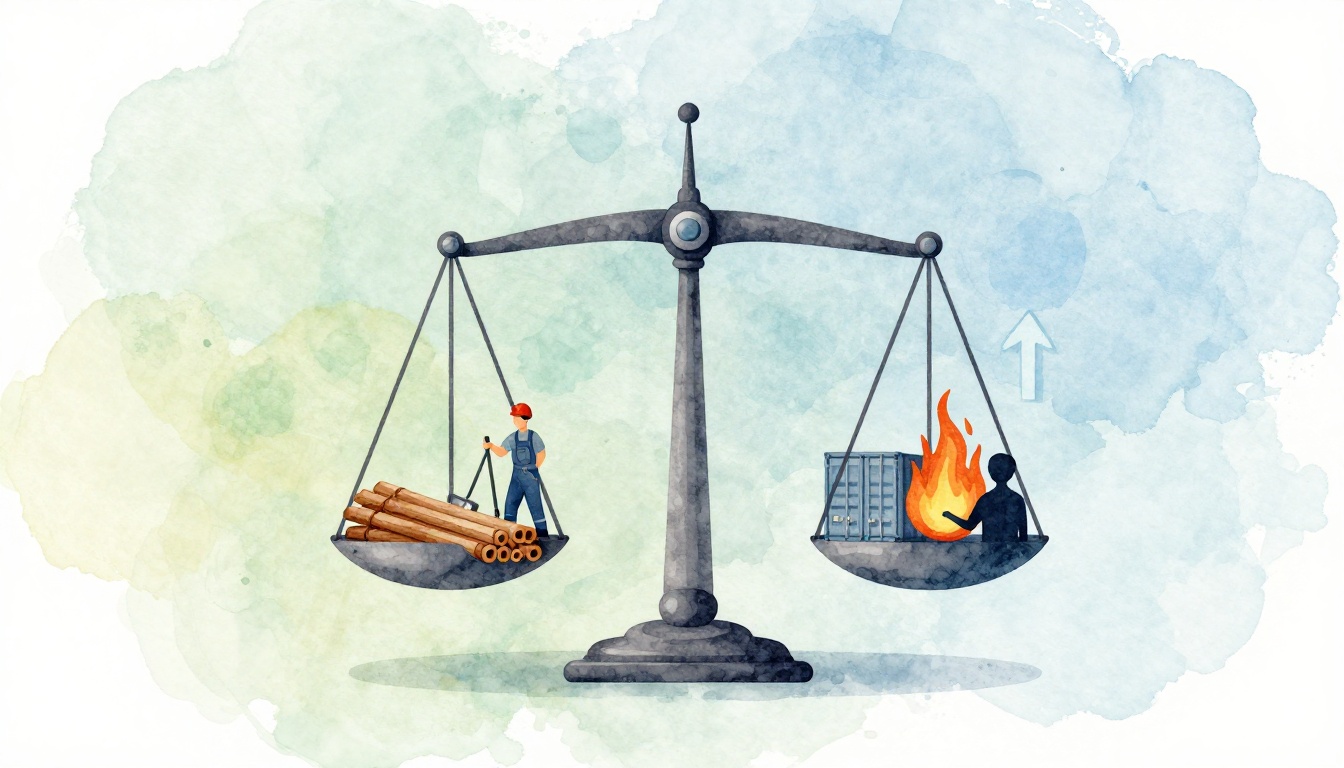
Why did that same product cost more this month than last? Often, it’s not one cause. Prices move when multiple forces push on costs and demand at the same time.
When you see a higher price tag, it can feel random. But behind the scenes, businesses react to labor costs, shipping bottlenecks, energy prices, interest rates, and rules that affect costs. At the same time, customers change their buying habits.
So if you want to understand price changes without guessing, focus on what drives prices in the first place. Here are the biggest factors that shape the prices of goods and services in the US.
Input costs: why raw materials and labor set the floor
Many prices start with input costs, the money a business must spend before it can sell anything. If those costs rise, companies face a hard choice. They can raise prices, shrink quality, cut staff, or accept lower profit.
Start with materials. When steel, lumber, chemicals, or food inputs get more expensive, manufacturers pay more for each unit they produce. That cost can spread across many brands, so you often see price increases in multiple categories at once.
Next comes labor. Wages affect prices because they show up in nearly every step. Even if materials stay steady, higher wages can push up service costs like repairs, healthcare billing, staffing, and contracting.
Energy is another big driver. Fuel and power affect everything from factory operations to delivery routes. When energy costs climb, transportation and production get more expensive. Then businesses tend to pass some of that through to customers.
Supply chain matters too. Delays, container shortages, and higher shipping fees can raise costs even when the underlying product price doesn’t change. A simple example: if a shipment arrives late, a company may pay more to speed it up.
Finally, measurement matters. Price statistics like the Consumer Price Index (CPI) track changes over time, not one-off receipts. For background on how CPI works, see BLS CPI basics.
In short, input costs set the bottom line. Even with steady demand, businesses usually can’t keep selling at old prices when their costs keep rising.
Demand, capacity, and competition: how markets move prices
Costs are one side of the story. The other side is demand, meaning how many people want a product and how fast they want it. When demand rises quickly, businesses can sell more units, but they may also run into limited capacity.
Capacity is the amount a business can produce or deliver right now. If demand jumps beyond what the company can handle, wait times grow and prices often follow. You can think of it like airline seats. When flights sell out, ticket prices usually rise.
Competition also shapes the outcome. In highly competitive markets, firms have less room to raise prices. They may keep prices closer to cost, or they might offer deals instead of higher sticker prices.
However, competition doesn’t always prevent increases. If all competitors face the same cost pressures, they may raise prices together. You often see this when energy, shipping, or raw material costs hit everyone at once.
Interest rates connect demand to price too. When borrowing gets more expensive, big purchases slow down. That includes housing repairs, car purchases, business equipment, and renovations. Less spending can reduce price pressure, especially for services that rely on frequent consumer budgets. For context on how rates link to economic conditions, see Federal Reserve monetary policy.
Here’s a useful way to think about it:
- When demand grows faster than capacity, prices tend to rise.
- When demand slows, price increases often cool down.
- When competition is weak, price increases can persist longer.
- When capacity is tight, even small demand shifts can cause big changes.
So if input costs explain the floor, demand and capacity help explain how high prices can climb.
Policy and shocks: taxes, regulation, energy, and exchange rates
Even when businesses want stable prices, outside forces can push costs upward or shift demand. Some changes are slow and policy-driven. Others hit suddenly.
Taxes and fees matter. Sales taxes can increase what shoppers pay at checkout. Business taxes and fees can increase operating costs. Some fees are small per item, but they add up across high-volume sales.
Regulation is another factor. Rules around labor, safety, emissions, licensing, and data security can raise compliance costs. Those costs don’t vanish. Companies spread them across products and services.
Then come shocks, meaning sudden disruptions that break normal supply and demand. Natural disasters can damage facilities. Conflicts can disrupt shipping routes. Health events can affect staffing and logistics. These shocks can be short-lived or persistent, depending on recovery speed.
Energy is still central here, but it often acts through shocks. Gasoline, diesel, and natural gas can swing quickly. When they do, transportation and production costs follow. For current and explained energy trends, the EIA energy explained pages are a helpful reference.
Exchange rates also matter, especially for imported goods. If the US dollar weakens, imported products cost more in dollar terms. That can raise prices even if foreign sellers keep their own list prices unchanged.
One more detail: businesses don’t always react instantly. Contracts, pricing schedules, and inventory timing can make price changes show up later than the original shock.
In other words, policy and shocks explain why prices change fast or why they stick around even after demand slows.
How to spot price drivers when shopping
You can’t see every cost line item in a receipt. Still, you can spot patterns. Start by asking two questions: Is this a cost story or a demand story? Then ask what changed most recently.
A quick guide can help:
| Price driver | What you might notice | Common impact |
|---|---|---|
| Higher materials | Similar items cost more, not just one brand | Wider price increases |
| Higher labor | Services rise faster than product-only items | More frequent price jumps |
| Energy costs | Delivery fees or fuel-heavy services increase | Cost spread across many categories |
| Supply delays | Fewer discounts, longer waits, limited stock | Higher prices and less choice |
| Strong demand | Busy times, fast sell-through | Prices hold up or rise |
| Weak demand | More promos, more inventory on shelves | Prices stabilize or drop |
If a product price rises while the service around it stays steady, that hints at materials or shipping issues. If services rise but parts and goods stay flatter, labor and scheduling might be the culprit.
Also watch for “bundled” price changes. Businesses sometimes keep the base price steady, but adjust what you get (smaller portions, fewer included services, higher fees). The total cost still rises.
Finally, check timing. If prices jump right after a known event, like energy spikes or major shipping slowdowns, that supports a shock-driven explanation. If prices rise gradually over time, input costs and wage changes often play a larger role.
A higher price tag usually reflects both costs and customer demand. If only one side changes, prices often respond less.
That’s why price changes feel inconsistent. They’re not. They’re reacting to different forces at once.
Conclusion: the price is the result of pressure
Prices don’t change because businesses “feel like it.” They change because costs increase, demand shifts, and policy or shocks push on both sides.
When you look for input costs, market demand, capacity limits, and policy effects, price changes start to make sense. Next time something costs more, ask what pressure is doing the work behind the scenes.
If you want a sharper read, keep a simple habit: compare the product, the service, and the timing. That’s often enough to see the real driver.